

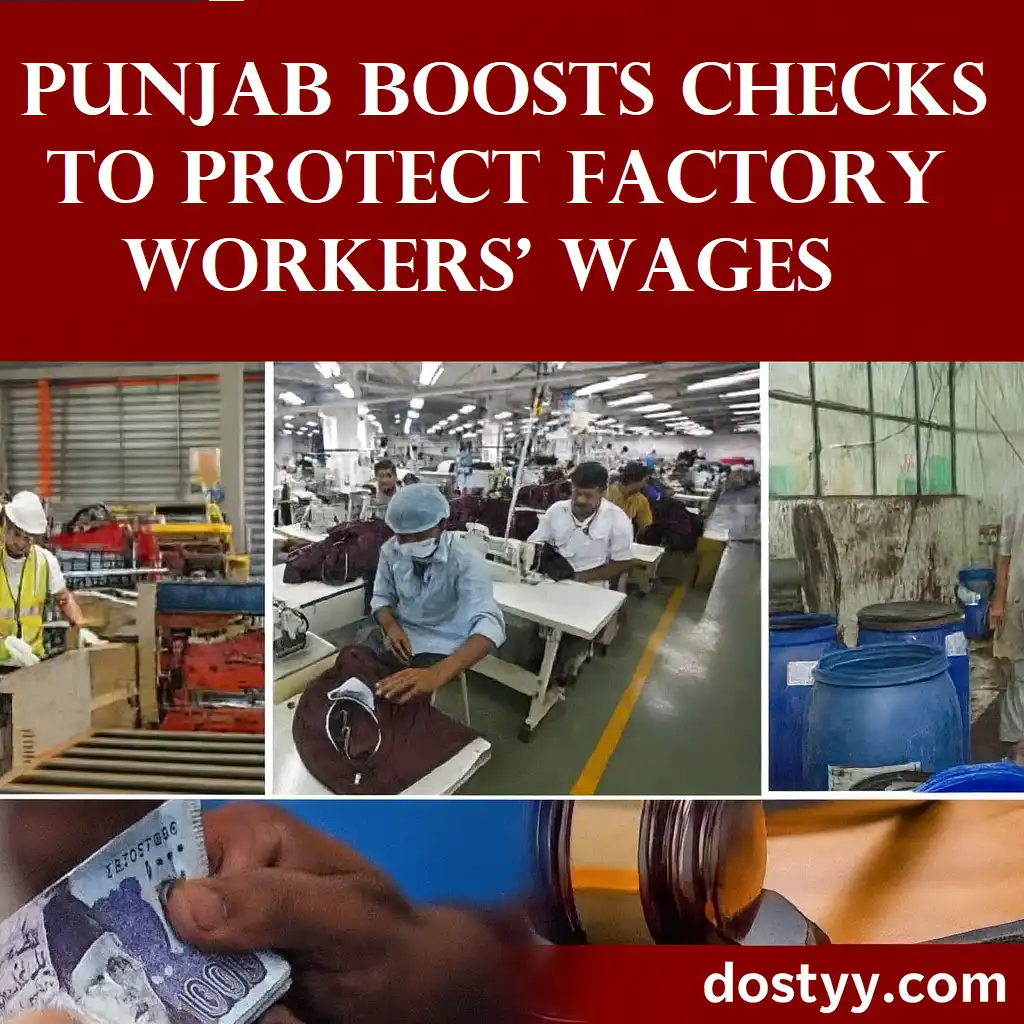
Punjab Boosts Checks to Protect Factory Workers’ Wages
- Nov 27, 2025
- 0
The Punjab Government has intensified labour inspections across industrial units to ensure factory workers receive the legal minimum wage and enjoy safe working conditions. This shift represents one of Punjab’s strongest labour enforcement actions in recent years, aiming to protect millions of workers who have long faced underpayment, exploitation, and unsafe work environments.
With over 166,217 inspections conducted, more than 300 FIRs registered for wage violations, and 2.3 million workers receiving full wages due to enforcement, the province is now making labour rights a core priority.
This blog explores why some factory owners still underpay workers, how government monitoring improves working conditions, and the economic benefits of fair wages for Punjab’s workforce.
Rising Government Inspections Across Punjab
Industrial inspections have increased dramatically, focusing on wage enforcement, legal compliance, and workplace safety. Authorities are now inspecting:
• Wage records
• Worker attendance logs
• Health and safety measures
• Contract structures
• Legal documentation
Stricter regulations ensure that factory owners can no longer bypass minimum wage laws or ignore worker safety standards.
Achievements of the OSH Safety Drive
To strengthen safety compliance, the government implemented an extensive Occupational Safety & Health (OSH) drive).
Key outcomes include:
• 8,690 OSH inspections
• 4,773 warnings and advisories issued
• 2,094 violations leading to legal action
• 378 FIRs registered
• 33 industrial units sealed
These results demonstrate that unsafe workplaces remain widespread but are now being confronted aggressively through enforcement.
Why Some Factory Owners Still Pay Low Wages
Despite clear laws, certain factory owners continue underpayment practices. Several structural and economic reasons contribute to this:
1. Profit Maximization
Some employers reduce wages to cut costs and maintain higher short-term profits.
2. Weak Monitoring in the Past
For many years, labour inspections were infrequent, enabling wage violations to become common.
3. Limited Awareness Among Workers
Many workers do not know:
• The legal minimum wage
• Their labour rights
• How to file complaints
This lack of awareness makes exploitation easier.
4. Oversupply of Labour
Punjab’s large workforce often accepts low wages simply because jobs are scarce.
5. Informal Employment Structures
Many factories do not issue employment contracts, giving owners unchecked control over wages.
How Low Wages Harm Workers and Industry
Underpaying workers has immediate and long-term negative effects.
Poor Living Standards
Workers earning below minimum wage struggle to meet basic needs like food, rent, and health expenses.
Decreased Productivity
Unmotivated or stressed workers produce lower-quality output and show reduced efficiency.
High Worker Turnover
Factories paying low wages often lose employees regularly, increasing recruitment and training costs.
Weak Economic Growth
When workers earn less, their purchasing power drops, affecting the entire economy.
Damaged Industry Reputation
Factories facing wage violations risk losing contracts with reputable local and international brands.
How Government Monitoring Benefits Workers
The recent inspection campaign brings multiple long-term advantages:
Guaranteed Minimum Wages
Millions of workers finally receive what the law requires, improving financial stability.
Safer Work Environments
Frequent inspections force factories to install safety systems, reducing accidents.
Reduction in Exploitation
Risk of FIRs and unit sealing prevents employers from violating labour laws.
More Formal Employment
Monitoring encourages factories to adopt written contracts and maintain proper employee records.
Ethical Industrial Growth
Businesses that comply with labour laws tend to grow steadily and attract more clients.
Related: Pakistan Labour Force Survey 2024-25
Why Fair Wages Improve Industrial Performance
Fair wages do not just benefit workers they strengthen Pakistan’s industrial sector.
Higher Motivation and Productivity
Workers paid fairly are more dedicated, energetic, and efficient.
Lower Absenteeism
Better wages improve health and reduce missed workdays.
Reduced Hiring Costs
Lower turnover reduces training and recruitment expenses.
Stronger Brand Reputation
Factories with ethical practices attract buyers, both local and international.
Long-Term Impact of Labour Reforms in Punjab
Punjab’s inspection reforms are reshaping the industrial landscape.
Stronger Labour Market
Legal wage enforcement creates a more reliable and skilled workforce.
Better Compliance With International Standards
Factories meeting safety and wage criteria can access global markets more easily.
Improved Worker Welfare
Fair wages create better living conditions and educational opportunities for families.
Economic Stability
Higher wages increase consumer spending, strengthening the local economy.
Find Reliable Factory Workers
If you are a factory owner / employer looking to hire experienced and trustworthy factory staff, Dostyy.com provides a verified database of skilled workers.
You can easily find reliable factory workers in Punjab using Dostyy’s advanced filtering tools.
The platform offers:
-
Verified candidate profiles
-
Instant matching
-
Direct contact options
-
Role-specific categories
This helps both employers and job seekers connect quickly and professionally.
Conclusion
Punjab’s efforts to boost inspections and enforce minimum wage laws mark a new era in labour protection. These reforms help ensure that workers receive fair wages, enjoy safer workplaces, and gain better financial security. At the same time, factory owners benefit from motivated employees, improved efficiency, and stronger market reputation.
0 Comments
Add your review
Explore related articles

If you've been scrolling through job boards wondering what Servaid Pharmacy actually pays before you ...

dostyy

If you have spent any time looking at property listings in Lahore lately, you have probably noticed h...
dostyy

A family that recently moved into a villa near Lake City's Sector M spent their first two weeks doi...